
Polystyrene (EPS) packaging is lightweight but bulky, making it expensive to store and transport in its loose form. Foam compactors solve this problem by compressing EPS into dense blocks or briquettes that take up a fraction of the space and can even be sold for recycling rebates.
We’ve compared the QCR Lion Foam Compactor and the Compact & Bale-supplied StyroPress polystyrene crusher to see which offers the best long-term value.
Build Quality and Design
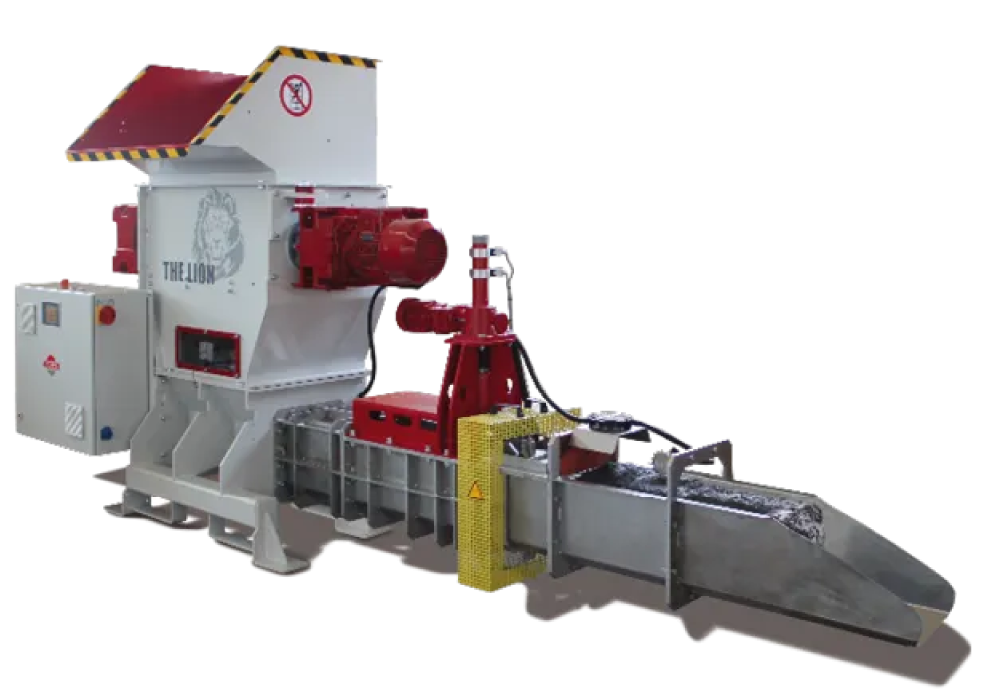
The QCR Lion is a robust foam compactor designed specifically for EPS. It compresses large volumes of polystyrene into dense blocks that are easier to stack and transport. With this simple design and compact footprint it’s suitable for sites with limited space.
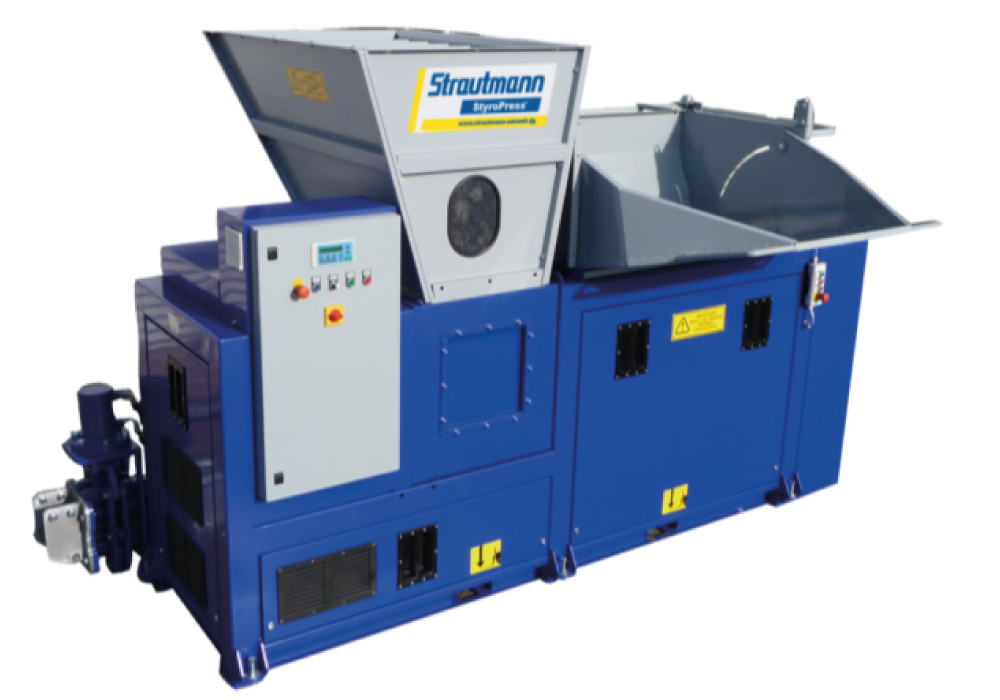
The Compact & Bale-supplied StyroPress also uses heavy-duty construction but produces briquettes rather than blocks. Briquettes are smaller, denser, and more uniform, which improves handling, storage, and loading onto pallets.
Verdict: Both are well-built, but StyroPress briquettes are easier to handle and store.
Performance and Capacity
The QCR Lion achieves a compaction ratio of up to 50:1, turning bulky EPS into dense blocks. This reduces storage needs and makes waste easier to transport.
The StyroPress achieves a similar compaction ratio, typically 40:1, but the resulting briquettes are denser and more consistent, giving them higher recycling value.
Verdict: Both deliver excellent compaction, but StyroPress has the edge in density and recycling value.
Usability and Features
The QCR Lion is straightforward to use, with simple operator controls and safe feeding of EPS into the chamber. The blocks it produces are larger and may require mechanical handling if large volumes are produced.
The StyroPress also offers simple controls, but the briquette format means output is easier to stack, palletise, and handle manually or with basic equipment. This makes it more practical for sites without dedicated material handling machinery.
Verdict: Both are user-friendly, but StyroPress offers more flexible output handling.
Energy Efficiency and Running Costs
The QCR Lion is designed for efficiency but, as with most foam compactors, requires regular servicing and operator time to ensure smooth running.
The StyroPress is equally efficient in power consumption, but Compact & Bale strengthen their offering by pairing machine supply with collection and rebate services, turning EPS waste into a revenue stream.
Verdict: Similar efficiency, but StyroPress wins on lifetime cost thanks to rebates.
Specification Comparison: QCR Lion vs StyroPress
| Feature | QCR Lion Foam Compactor | Compact & Bale StyroPress |
|---|---|---|
| Compaction Ratio | Up to 50:1 | Up to 40:1 |
| Output Format | Large blocks | Smaller, denser briquettes |
| Output Weight | Medium density blocks | High-density briquettes |
| Handling | Blocks may require mechanical aid | Briquettes stack neatly, easier to move |
| Power Requirement | Standard 3-phase industrial supply | Standard 3-phase industrial supply |
| Waste Reduction | Up to 95% | Up to 95% |
| Suitable Waste | EPS (expanded polystyrene) | EPS (expanded polystyrene) |
| Aftercare & Service | QCR servicing available | C&B service plus collection and rebates |
Why Compaction Density Matters
Higher-density output means more material stored in the same footprint, fewer collections, and higher recycling rebates. While both machines deliver dramatic reductions in EPS waste volume, the StyroPress’ denser briquettes make transport and resale more efficient.
With Compact & Bale’s rebate and collection service, businesses not only reduce costs but also generate income from their compacted EPS.
Final Verdict
The QCR Lion Foam Compactor is a solid machine for reducing EPS waste. It’s simple, effective, and ideal for sites wanting to cut disposal costs.
The Compact & Bale StyroPress, however, refines the process with denser briquettes, easier handling, and the added advantage of rebate services. For businesses looking for the best return on their EPS recycling, the StyroPress will be the better investment.