
For many businesses, overflowing bins and frequent waste collections are a daily frustration. Wheelie bin compactors solve this problem by compressing waste directly into a standard commercial bin, reducing collection frequency and lowering costs.
We compared the QCR 1100L with the Compact & Bale RC1100 wheelie bin compactor to see which offers the best value.
Build Quality and Design
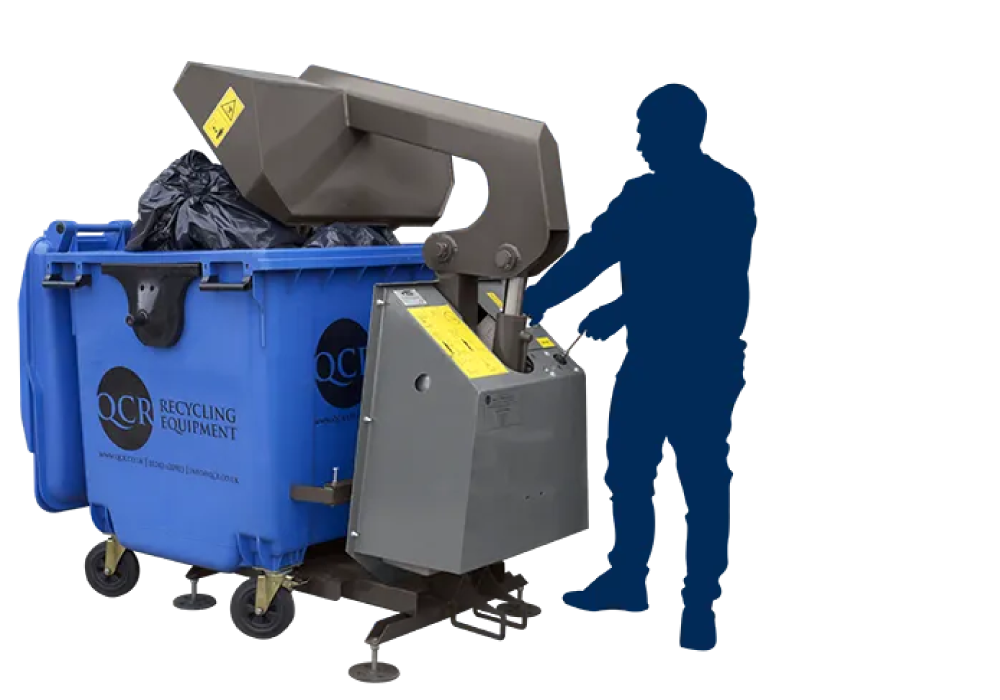
The QCR 1100L is designed for use with standard 1100-litre wheelie bins. Built with a compact frame and straightforward controls, this compactor is robust enough for everyday use in retail, hospitality, and smaller commercial sites.
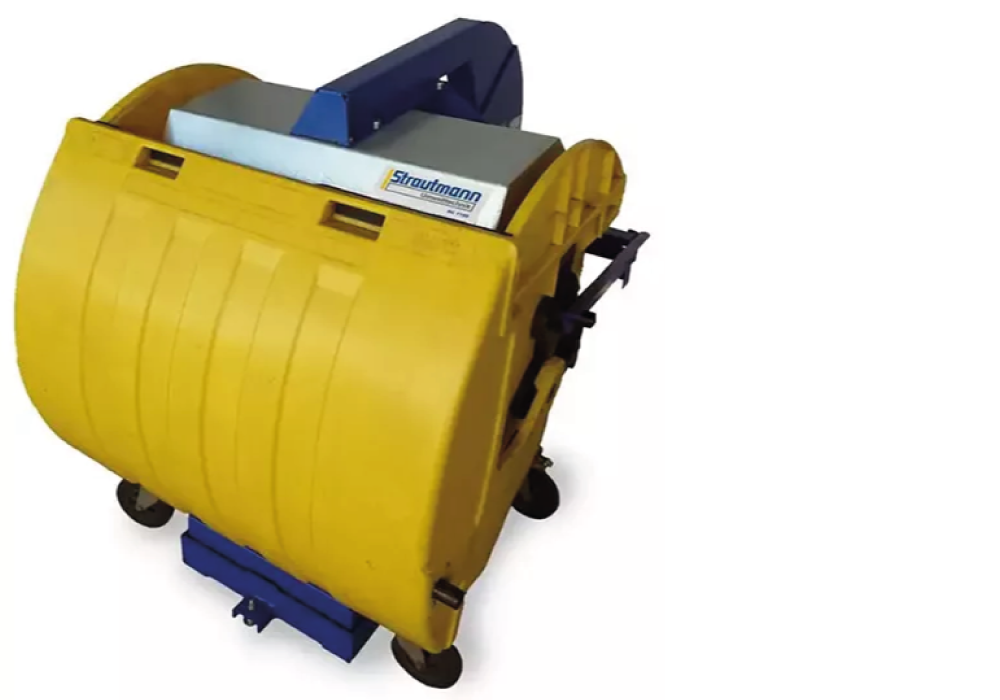
The Compact & Bale-supplied RC1100 matches this robust design but offers greater flexibility, as it works with 660L, 770L, and 1100L wheelie bins. This makes it a more versatile option where different bin sizes are in use across a site.
Verdict: Both are solid and practical, but RC1100 offers more bin compatibility.
Performance and Capacity
The QCR 1100L achieves significant compaction inside the bin, often reducing waste volumes by up to 75%, depending on material type, which helps businesses cut collection costs quickly.
The RC1100 achieves comparable compaction levels but benefits from Compact & Bale’s focus on press force and cycle consistency, meaning waste is compacted more densely and reliably.
Verdict: Both cut collection costs, but RC1100 delivers stronger, more consistent compaction.
Usability and Features
The QCR 1100L is simple to operate with a single button start, making it accessible for all staff. It is wheeled into position for use and requires minimal training.
The RC1100 works the same way but adds ease of bin changeover thanks to its adaptable fittings for multiple bin sizes. This gives it an edge in busy environments where different bins may need compacting.
Verdict: Both are easy to use, but RC1100 is more versatile in practice.
Energy Efficiency and Running Costs
The QCR 1100L is powered by a standard single-phase connection, keeping energy costs low. Maintenance is straightforward, although aftercare depends on QCR’s servicing arrangements.
The RC1100 also uses a single-phase power supply, offering the same low running costs. Compact & Bale enhance their offer with collection and rebate services for recyclable waste, helping customers turn compacted material into revenue.
Verdict: Equal on energy, but Compact & Bale provide added value through collection and rebates.
Specification Comparison: QCR 1100L vs RC1100
| Feature | QCR 1100L Wheelie Bin Compactor | Compact & Bale RC1100 |
|---|---|---|
| Bin Compatibility | 1100L bins only | 660L, 770L, and 1100L bins |
| Compaction Force | Moderate (sufficient for general waste) | Higher press force for denser compaction |
| Waste Volume Reduction | Up to ~75% | Up to ~85% |
| Cycle Time | 15 seconds | 15 seconds |
| Power Requirement | Standard 13-amp supply | Standard 13-amp supply |
| Mobility | Wheeled into position | Wheeled into position |
| Suitable Waste | General bagged waste, recyclables | cardboard, paper, DMR, recyclables, general Waste |
| Service & Aftercare | QCR servicing available | C&B service plus collection & rebates |
Why Compaction Matters
By compacting waste inside bins, businesses reduce the number of collections needed, saving both time and money. The RC1100’s higher compaction force means bins hold more material, maximising these savings. And with Compact & Bale’s rebate service, businesses can even generate income from recyclables.
Final Verdict
The QCR 1100L is a reliable, simple wheelie bin compactor well suited to small businesses that want to reduce waste volume and cut collections.
However, the Compact & Bale RC1100 matches this reliability while adding greater bin compatibility, stronger compaction, and end-to-end services. For businesses looking for maximum efficiency and financial return, the RC1100 is the best option.