
Small-to-mid vertical balers are the perfect solution for businesses that produce more waste than a mini baler can handle, but don’t need the size and footprint of a mill-size machine. They reduce waste volumes, cut collection costs, and create bales that are manageable but still rebate-ready.
We compared the Landfill Alternatives LFA 151 S with the Compact & Bale-supplied BP10 baler to see which offers the best performance and long-term value.
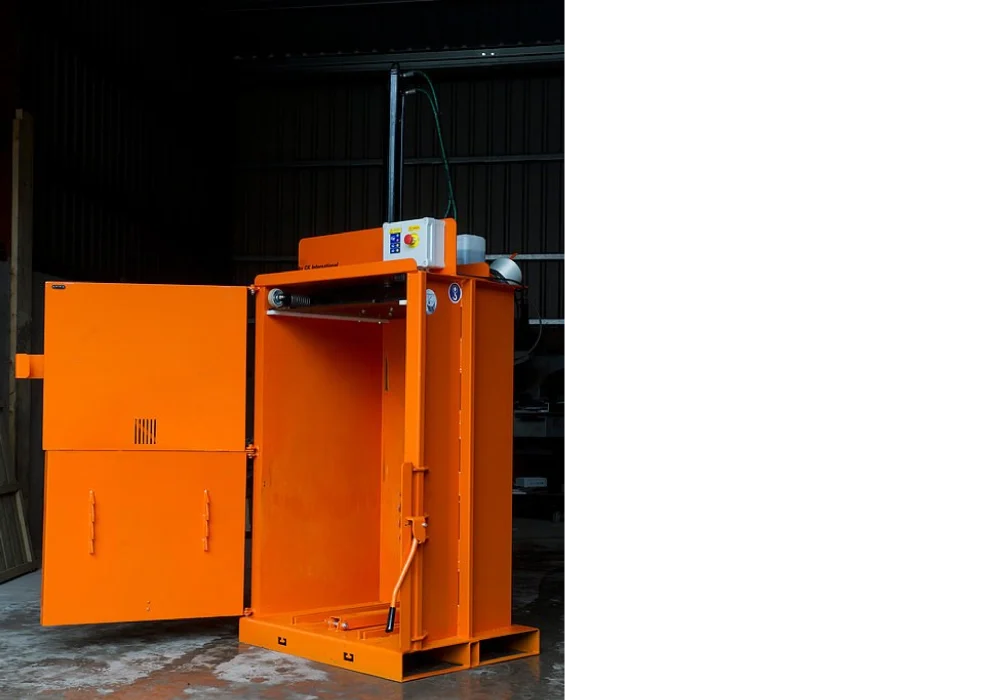
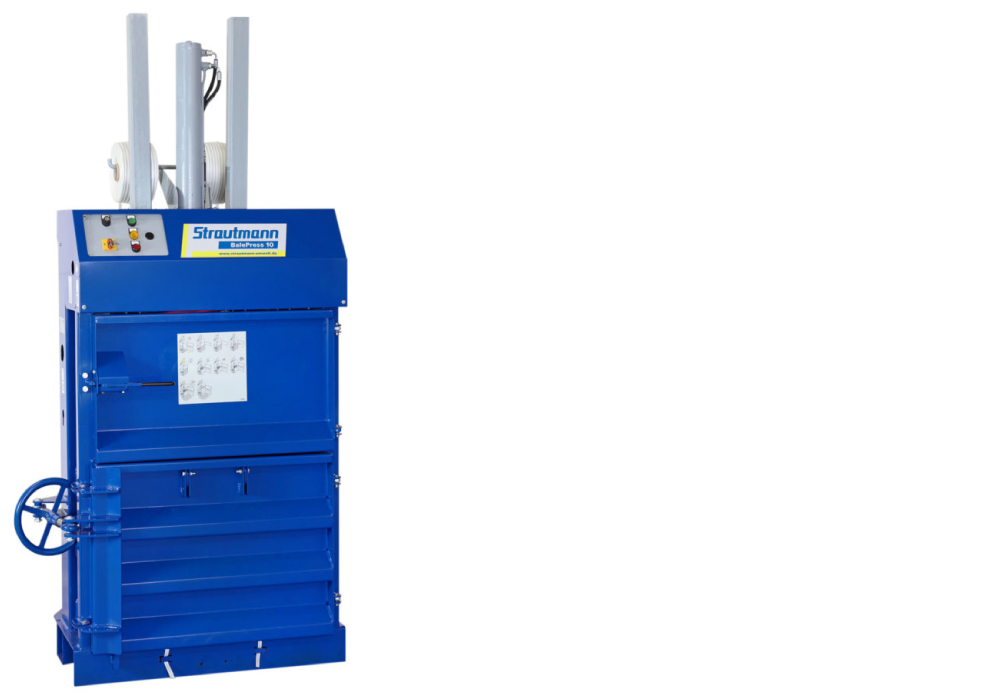
Build Quality and Design
The LFA 151 S is a compact vertical baler designed for small to medium-sized businesses. With a pressing force of 6 tonnes, it handles cardboard and light plastics effectively, producing neat, manageable bales.
The BP10 has a stronger 10-tonne pressing force, giving it denser compaction. It’s built for more regular daily use and is slightly more robust in construction, making it well suited for busier environments such as warehouses or retail distribution points.
Verdict: Both are well-built; BP10 offers more pressing power for heavier-duty use.
Performance and Capacity
The LFA 151 S produces bales of up to 110 kg, a good step up from smaller balers but still light enough to be moved with minimal equipment.
The BP10 produces slightly heavier bales of up to 120 kg, meaning fewer bales per tonne of waste. The extra density also provides stronger rebate potential.
Verdict: BP10 edges ahead with heavier bales and greater efficiency.
Usability and Features
The LFA 151 S is simple to operate, with front-loading design, clear controls, and safe manual bale ejection. It’s aimed at smaller teams with minimal training requirements.
The BP10 offers similar ease of use but with a larger loading aperture, making it easier to manage bulkier boxes and plastic film. Compact & Bale also include training and servicing as part of their package.
Verdict: Both are user-friendly; BP10 is more versatile for bulky materials.
Energy Efficiency and Running Costs
The LFA 151 S runs on a single-phase supply and has low operating costs. Servicing and support are provided by Landfill Alternatives.
The BP10 also runs on a single-phase 13-amp supply, making it equally efficient. However, Compact & Bale add value through their collection and rebate model, helping businesses not only save money but also generate revenue from recyclables.
Verdict: Equal on efficiency; BP10 offers stronger ROI with rebates.
Specification Comparison: LFA 151 S vs BP10
| Feature | LFA 151 S | Compact & Bale BP10 |
|---|---|---|
| Type | Small-to-mid vertical baler | Small-to-mid vertical baler |
| Press Force | 6 tonnes | 10 tonnes |
| Bale Weight | Up to 110 kg | Up to 120 kg |
| Loading Aperture | Compact opening | Larger opening for bulkier material |
| Cycle Time | 52 seconds | 18 seconds |
| Power Requirement | Single-phase | Single-phase (13-amp) |
| Bale Ejection | Manual | Manual |
| Suitable Waste | Cardboard, light plastics | Cardboard, plastics, shrink wrap |
| Aftercare & Service | Landfill Alternatives servicing | C&B servicing + collection and rebates |
Why Bale Weight Matters
The difference between 110 kg and 120 kg bales may sound small, but over time it adds up to fewer bales to handle, less storage, and lower collection frequency. Combined with Compact & Bale’s rebate system, the BP10 delivers a better long-term financial return.
Wrapping Up
The LFA 151 S is a strong entry-level choice for small businesses looking to manage waste more effectively. It produces 110 kg bales, is compact, and simple to use.
The Compact & Bale BP10, however, provides more pressing power, heavier bales, and is supported by Compact & Bale’s rebate-backed collection service. For businesses wanting maximum efficiency and long-term value, the BP10 wins out.