
The UK’s biggest recycling overhaul in a generation is on its way. The Deposit Return Scheme (DRS) – officially launching on 1 October 2027 – will fundamentally change the way drinks containers are purchased, used, and recycled across England, Scotland, Wales, and Northern Ireland. For businesses of all sizes, the clock is already ticking.
Whether you run a supermarket, a cafe, a pub, a festival, or a waste management operation, the DRS will affect how you handle packaging, manage waste streams, and interact with your customers. This guide cuts through the noise to give you the most up-to-date picture of the UK Deposit Return Scheme: what it is, how it works, who’s responsible, and – crucially – what you need to do to be ready.
What Is the UK Deposit Return Scheme?
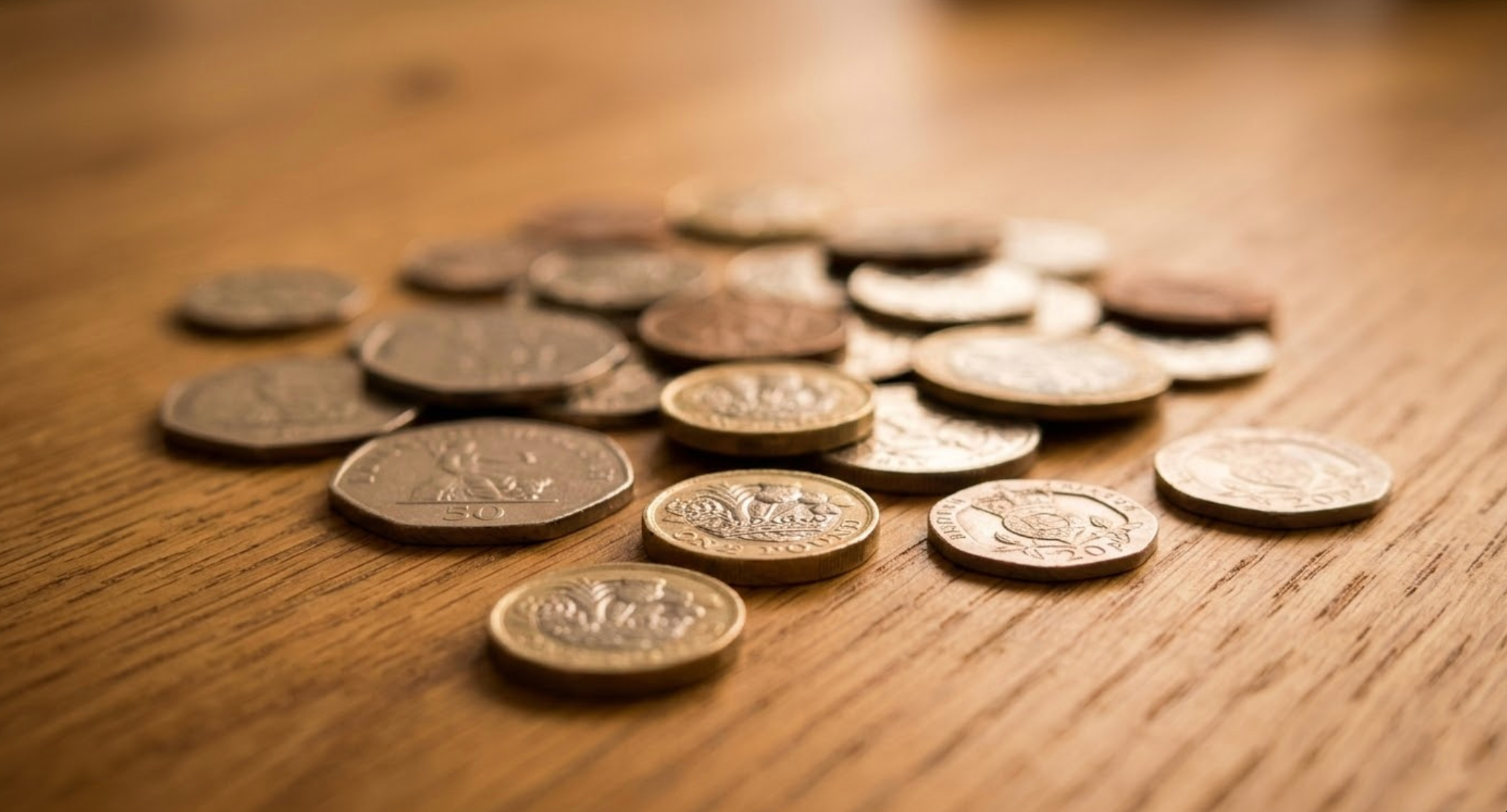
The UK Deposit Return Scheme is a government-backed recycling initiative designed to dramatically increase the collection and recycling rate of single-use drinks containers. The concept is straightforward: when you buy a drink in an eligible container, you pay a small refundable deposit on top of the purchase price. When you return the empty container to a designated return point, you get that deposit back. It’s also why the scheme so often gets called a bottle tax, though the 20p is redeemable value attached to the container rather than a charge paid to government.
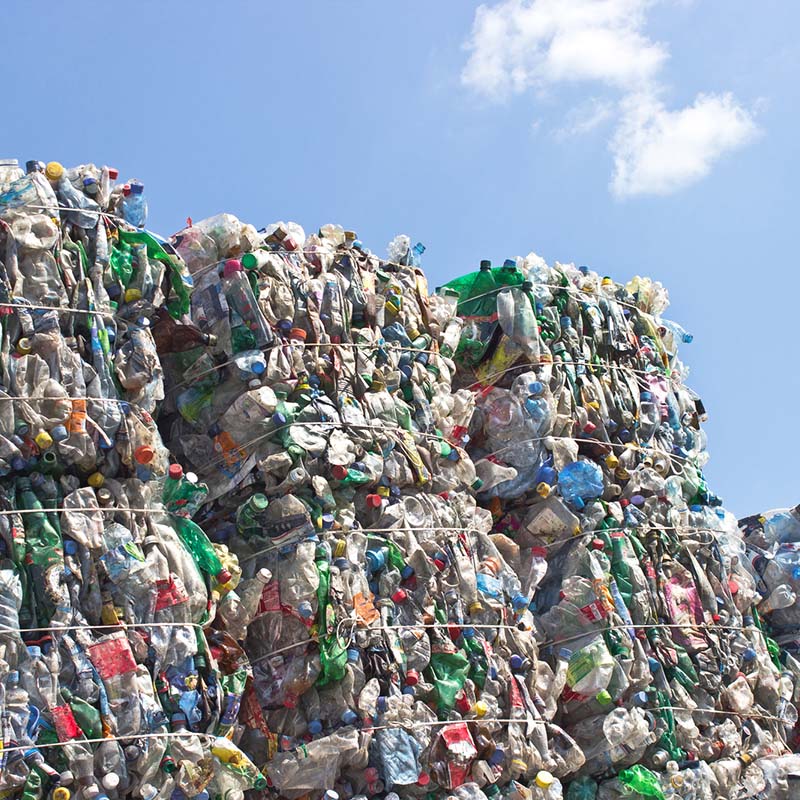
The scheme targets a key problem: despite recycling infrastructure existing across the UK, an estimated 6.5 billion single-use bottles and cans go to waste every year. Huge numbers end up as litter – on streets, in parks, on beaches, and in waterways. The Marine Conservation Society found that drinks-related litter items were present on 97% of UK beach cleans surveyed. The DRS aims to change that by giving consumers a direct financial incentive to return their containers.
The target is ambitious but clear: achieve a container return rate of at least 90% within three years of the scheme launching.
How Does It Work? The Consumer Journey
The mechanics are simple and follow three steps:
- Buy: A customer purchases a drink in a covered container. A 20p deposit is charged at the point of sale, on top of the drink’s price.
- Return: Once the drink is consumed, the empty container is taken to a designated return point. This will typically be a Reverse Vending Machine (RVM) – an automated device that accepts empty containers, validates them, and records the return – or a staffed manual return point.
- Refund: The consumer receives their deposit back as cash, a voucher, or a digital credit – instantly, at the point of return.
Once returned, containers enter a closed-loop recycling system – collected, sorted, and fed back into new packaging production. The deposit is now confirmed at a flat 20p on every in-scope container regardless of size, set by Exchange for Change in April 2026.
Which Containers Are Covered?
Not every drinks container will be included in the scheme at launch. Here’s what’s in and what’s out:
Containers INCLUDED in the DRS (England, Scotland & Northern Ireland)
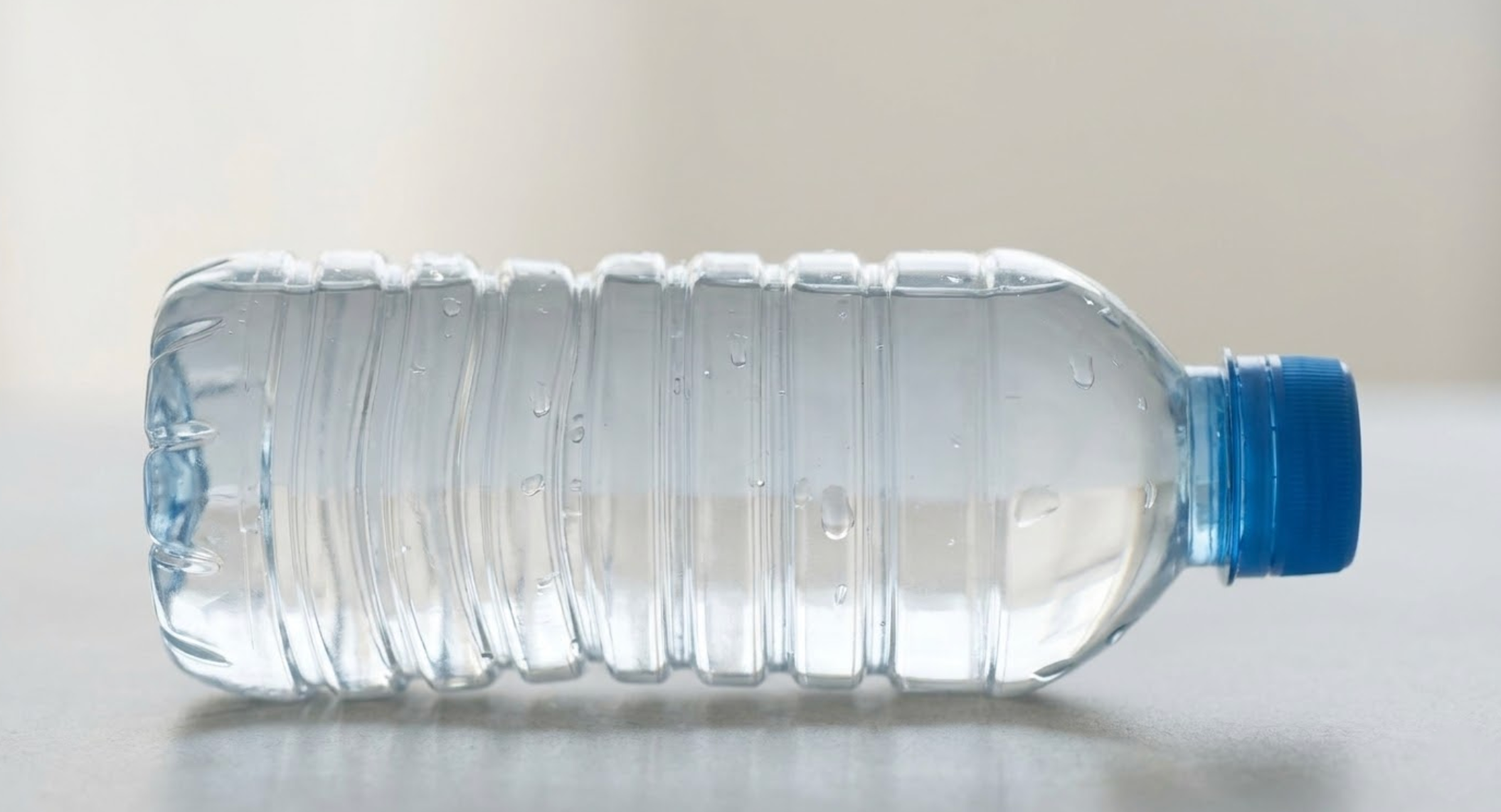
- PET plastic bottles – single-use, between 150ml and 3 litres
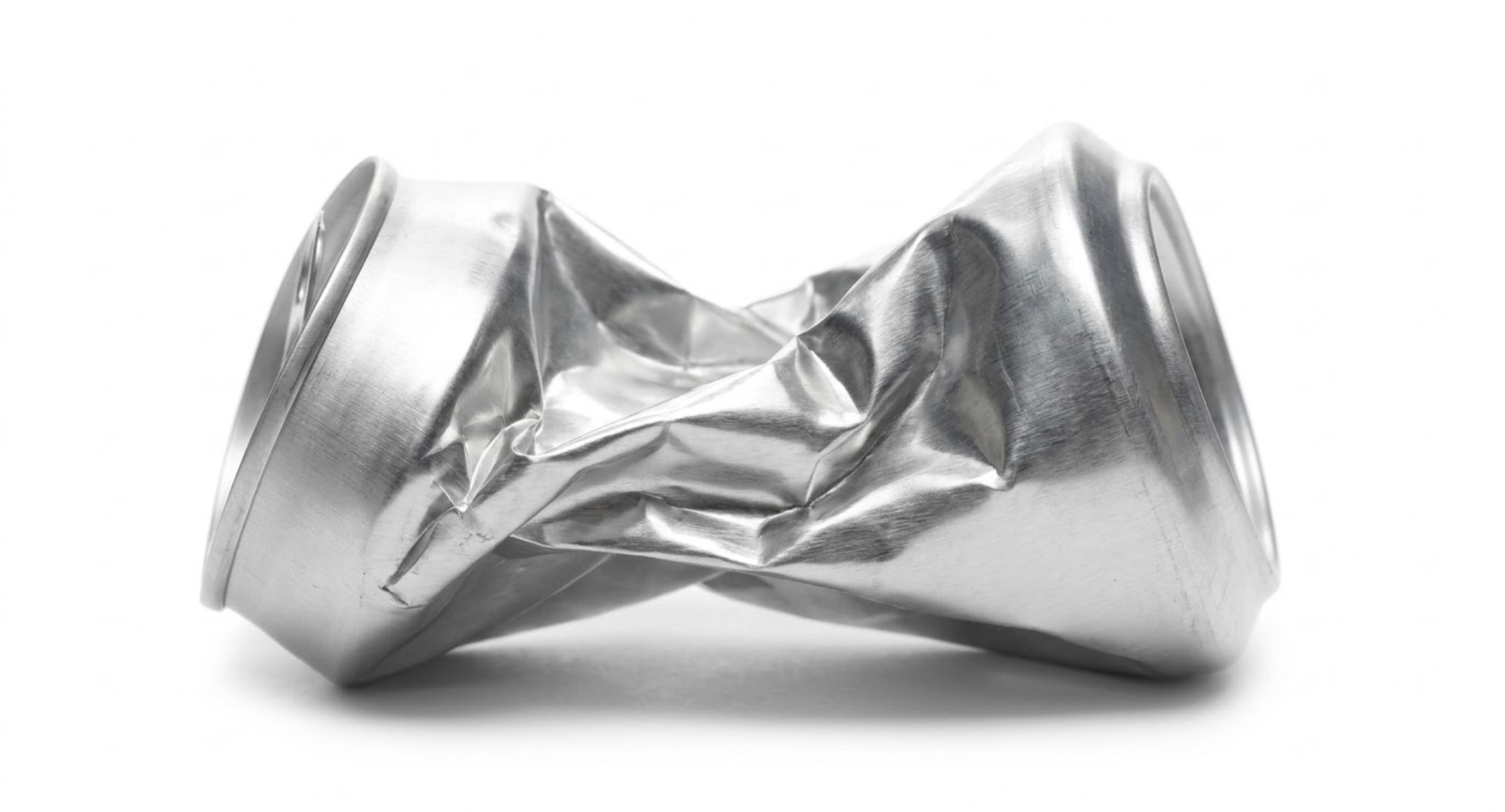
- Aluminium cans – single-use, between 150ml and 3 litres
- Steel cans – single-use, between 150ml and 3 litres
This covers the vast majority of drinks sold in supermarkets, convenience stores, cafes and hospitality venues – soft drinks, water, beer, cider, energy drinks, juices and more.
Containers EXCLUDED from the DRS (England, Scotland & Northern Ireland)
- Glass bottles – excluded from the England, Scotland and Northern Ireland scheme
- Containers under 150ml or over 3 litres
- Multi-use / refillable containers
- Cartons (Tetra Pak style) and pouches
Note: Wales is the exception – the Welsh DRS will include glass bottles (see nation-by-nation section below).
Who Is Running the Scheme? Meet Exchange for Change
The UK Deposit Return Scheme will be run by a not-for-profit, industry-led body known as the UK Deposit Management Organisation (UK DMO). In January 2026, the DMO revealed its official trading name: Exchange for Change.
Exchange for Change was formally appointed as DMO in April/May 2025 following the passage of the Deposit Scheme for Drinks Containers (England and Northern Ireland) Regulations 2025. It is responsible for the end-to-end administration of the scheme, including:
- Setting the deposit level (set at a flat 20p on 24 April 2026)
- Managing producer registration and Article List compliance
- Coordinating the reverse vending machine network across the UK
- Handling the flow of deposits and reimbursements between producers, retailers and consumers
- Overseeing reporting and performance targets
Producer registration with Exchange for Change opens in Q3 2026. Every in-scope container has to be added to the Article List, the scheme’s central product database, which is sent out daily to every reverse vending machine. If a product isn’t on that list, the machine won’t accept it. Existing products must be registered by 9 July 2027, twelve weeks before launch.
Key Dates and Timeline for the UK DRS
Here is a summary of the key milestones in the rollout of the UK Deposit Return Scheme:
| Date | Milestone |
|---|---|
| January 2025 | Deposit Scheme for Drinks Containers (England and Northern Ireland) Regulations 2025 enacted |
| April / May 2025 | UK Deposit Management Organisation (UK DMO) appointed as scheme administrator |
| June 2025 | Scottish DRS legislation amended to align with England & Northern Ireland; UK DMO designated for Scotland |
| July 2025 | Welsh Government commits to aligning with October 2027 UK launch date |
| January 2026 | UK DMO announces official trading name: Exchange for Change |
| February 2026 | Welsh DRS regulations laid before the Senedd (including glass) |
| 20 February 2026 | Exchange for Change publishes the approved DRS logo and regulatory requirements |
| 25 March 2026 | Welsh regulations approved and made (WSI 2026/103) |
| 9 April 2026 | Class CA permitted development rights for reverse vending machines come into force in England |
| 24 April 2026 | Exchange for Change confirms a flat 20p deposit on all in-scope containers |
| 2 June 2026 | Return Handling Fee confirmed: 3p manual, 5p then 1.3p automatic |
| 20 August 2026 | Exchange for Change appointed Deposit Management Organisation for Wales |
| 2 September 2026 | Stepped producer fees announced |
| Q3 2026 | Producer registration opens with Exchange for Change |
| 2026 – Sept 2027 | Infrastructure phase: RVM installation, packaging updates, staff training, public awareness campaigns |
| 1 October 2027 | ★ DRS goes live across all four UK nations |
Nation-by-Nation: How the DRS Differs Across the UK
While all four UK nations are working towards the same October 2027 launch, each has approached the scheme slightly differently.
England
The DRS in England covers PET plastic, aluminium and steel containers between 150ml and 3 litres. Glass is excluded. The scheme will be administered by Exchange for Change, with retailer obligations to charge deposits and provide return points. Retailers with less than 100m² of retail space in urban areas are exempt from hosting a return point (though they can volunteer to do so).
Scotland
Scotland was initially ahead of the rest of the UK with its own DRS plans, but after significant delays and controversy, its legislation was amended in June 2025 to align with the England and Northern Ireland framework – same containers, same DMO (Exchange for Change), same October 2027 date.
Wales
Wales takes a broader approach. Its regulations were approved by the Senedd and made in March 2026, covering glass bottles alongside plastic and metal containers, with the same 1 October 2027 launch date as the rest of the UK. Glass comes with a four-year transition running to 30 September 2031, during which it carries a zero-pence deposit and has no labelling requirements or collection targets, giving producers and retailers time to adapt. Wales is also planning a reuse scheme. Exchange for Change was appointed as its DMO in August 2026, so one administrator now runs the scheme across all four nations.
Northern Ireland
Northern Ireland operates under the same framework as England, covered by the Deposit Scheme for Drinks Containers (England and Northern Ireland) Regulations 2025. The same container scope applies: PET plastic, aluminium and steel, 150ml-3 litres, no glass.
The Bottle Tax Myth: What the 20p Really Does to Your Material
There’s no bottle tax in the UK. The 20p added to in-scope drinks containers from October 2027 is a refundable deposit, and the label stuck because a charge at the till looks like a tax until you watch the money come back. For operators the distinction isn’t pedantry: a tax is a cost you absorb, a deposit is a value you attach. The two lead to very different operational plans.
From 1 October 2027, every in-scope container carries a flat 20p redeemable value regardless of size. That gives a used PET bottle or aluminium can a guaranteed floor price for the first time, and a container worth 20p doesn’t sit in a general waste bin or a co-mingled kerbside stream. It moves towards wherever it can be redeemed.
The planning consequence sits in that movement. With 6.5 billion bottles and cans wasted across the UK each year and a 90% return target inside three years, the material doesn’t disappear – it relocates. MRF and kerbside operators lose a share of the highest-value fraction of their input mix. Return point operators, RVM hosts, high-volume retailers and events teams gain a clean, largely single-polymer stream arriving in volume, needing storage, baling and haulage that most sites aren’t set up for.
Does the deposit apply to plastic and glass?
The label implies a blanket charge on every bottle. It isn’t blanket, and which materials actually carry the deposit is what determines which of your volumes move.
- Plastic and metal carry it. PET plastic bottles, aluminium cans and steel cans from 150ml to 3 litres all take the 20p, in every UK nation.
- Glass doesn’t, outside Wales. Glass is excluded from the England, Scotland and Northern Ireland schemes altogether, so there’s no plastic or glass bottle tax in the blanket sense the phrase suggests.
- Wales includes glass, but not yet in practice. Welsh glass carries a zero-pence deposit until 30 September 2031, with no labelling requirements and no collection targets.
So your PET and aluminium volumes are the ones that relocate from 2027, and they’re the two materials worth sizing equipment around. Glass behaves exactly as it does today, in every UK nation, until at least 2031.
The parts that aren’t refundable
The 20p passes through: consumers pay it, redeem it, and unredeemed deposits stay inside the scheme to help fund it rather than going to government. What doesn’t come back is the surrounding cost base – producer registration fees payable to Exchange for Change, Plastic Packaging Tax paid to HMRC on plastic packaging containing under 30% recycled content, Extended Producer Responsibility fees, and capital spend on return and processing infrastructure. The England and Northern Ireland impact assessment puts set-up at £632 million and annual running costs at around £1.065 billion, against £1.612 billion of projected annual benefits.
Treat it as a bottle tax and you’ll budget for a per-unit charge that nets out to nothing, while under-budgeting the equipment, floor space and labour that doesn’t.
Who Does the UK Deposit Return Scheme Affect?
The DRS touches almost every part of the supply chain. Here’s how it breaks down by business type:
Drinks Producers & Brands
If you manufacture or import drinks sold in covered containers, you will need to register with Exchange for Change, apply the deposit to your products, update your labelling to include the DRS mark, and report volumes to the DMO. Compliance with an Article List will be mandatory.
Retailers
Any retailer selling DRS-covered drinks is legally required to charge the deposit at the point of sale and provide a return point for consumers. This applies to supermarkets, convenience stores, off-licences, petrol stations and online retailers. Obligations include:
- Purchasing or leasing reverse vending machines (or operating manual return points)
- Modifying store layouts to accommodate return infrastructure
- Training staff on deposit collection and return processes
- Managing deposit cash flow and reimbursement from the DMO
Hospitality, Pubs & Cafes
Hospitality venues will need to charge deposits on covered drinks sold in sealed containers for off-site consumption. They are not automatically required to host return points, but will need procedures for handling customer returns, storing empties, and coordinating collection. Staff training and clear customer communication about how the deposit works will be essential.
Events & Festivals
Events and festivals are among the most significant operational challenges of the DRS. Running multiple return stations, managing high volumes of returned containers, providing clear signage, and handling token or digital refund systems will all require planning well in advance.
Waste Management Operators
This is where it gets particularly relevant for businesses like yours. The DRS will create significant new volumes of returned empty PET bottles and aluminium cans flowing through collection points across the UK. Waste management operators, logistics providers, and recyclers will need to handle, sort, bale and transport this material at scale. For businesses already managing recyclable waste streams, the DRS represents a major uplift in throughput – and that means investing in equipment that can keep pace. Balers and compactors designed for high-volume plastic and aluminium processing will become even more critical to efficient operations.
Reverse Vending Machines and the Impact on Waste Volumes
Reverse Vending Machines (RVMs) are the cornerstone of the DRS return infrastructure. These automated units are installed at retail locations and accept empty bottles and cans – scanning barcodes or reading physical characteristics to verify eligibility – then issuing a refund to the consumer.
From a waste management perspective, RVMs are significant because they pre-sort and often compact returned containers at the point of collection. However, the volume of material they generate – tens of thousands of crushed or uncrushed plastic bottles and aluminium cans per location per week – still needs to be efficiently baled, stored and transported to recycling facilities.
Consider the scale: if the scheme achieves its 90% return target across 6.5 billion containers annually, that is nearly 6 billion bottles and cans flowing back through the collection network every year. Even at site level, retailers with high footfall could be handling thousands of returns per day. For collection points, processing centres, and waste management operations supporting the DRS, having the right baling and compaction equipment in place will be the difference between an efficient, profitable operation and a logistics bottleneck.
How to Prepare Your Business for the DRS in 2027
With just over 18 months until launch, now is the time to start planning. Here are the key steps businesses should be taking:
- Understand your obligations. Identify whether you are a producer, retailer, or both under the scheme definitions. The Government’s guidance and Exchange for Change’s registration portal (opening Q3 2026) will be your starting points.
- Audit your current infrastructure. Do you have space for return points or RVMs? What are your current waste storage and collection arrangements? Now is the time to assess gaps.
- Plan your waste management capacity. If your operation will handle returned containers – whether as a retailer, processor or waste operator – calculate the volumes you’ll be dealing with and ensure your baling and compaction equipment is fit for purpose.
- Engage with your supply chain. Talk to your waste management provider, equipment supplier and packaging partners about DRS readiness. The earlier you align, the smoother the transition.
- Update packaging and labelling. Producers must ensure all in-scope containers carry the DRS label. Lead times for packaging changes can be long – don’t leave this to the last minute.
- Train your team. Staff at collection points will need to understand how the scheme works, how to handle customer queries, and how to manage the storage of returned containers.
- Monitor Exchange for Change announcements. The deposit level, labelling specifications, and technical standards for return points will be confirmed by the DMO during 2026. Stay close to updates at Exchange for Change.
The Cost – and the Opportunity
The DRS comes with a significant price tag. An impact assessment by the Government estimates set-up costs of £632 million and annual running costs of around £1.065 billion across England and Northern Ireland alone. These costs will fall primarily on producers and larger retailers.
However, the projected annual benefits are £1.612 billion – driven by reduced litter clearing costs, greenhouse gas savings, and the commercial value of the recycled materials themselves. As part of the wider packaging reform programme, the Government projects 21,000 new jobs and over £10 billion of investment across the sector over the next decade.
For waste management businesses and recyclers, the DRS also represents a genuine commercial opportunity: the steady supply of clean, pre-sorted, high-value plastic and aluminium materials is far more predictable and lucrative than mixed recycling streams. Investing in the right equipment now could position your operation to capitalise on this from day one.
How Compact & Bale Can Help You Get DRS-Ready
At Compact & Bale, we’ve been helping UK businesses treat waste as a commodity – not a cost – since the year 2000. The Deposit Return Scheme creates one of the most significant shifts in the UK’s waste landscape we’ve ever seen, and it’s an opportunity as much as it is a challenge.
Whether you’re a retailer preparing for high volumes of returned PET bottles and aluminium cans, a waste processor scaling up your recycling capability, or a logistics operator looking to maximise the value of collected DRS materials, we have the equipment and expertise to help you do it efficiently.
Our range includes:
- Plastic balers – purpose-built for high-volume PET bottle baling, producing clean, dense bales ready for collection
- Aluminium can balers – maximising the recovery value of aluminium, one of the highest-value materials in the recycling market
- Multi-material balers – flexible solutions for operations handling a mix of DRS materials alongside cardboard and other recyclables
- Compactors – for venues managing larger volumes of mixed waste alongside returned containers
- Fully managed waste programmes – for businesses that want a complete, hands-off solution
We work with businesses across retail, hospitality, events, manufacturing and logistics – and we understand that every operation is different. Our team will take the time to understand your specific DRS challenge and recommend equipment that gives you the best return on investment, not just the biggest machine.
DRS Quick Reference: Key Facts at a Glance
📅 Launch date: 1 October 2027 (all four UK nations)
✅ Containers covered: PET plastic, aluminium and steel drinks containers, 150ml-3 litres
❌ Excluded (England/Scotland/NI): Glass, cartons, pouches, containers under 150ml or over 3L
🏭 Wales: Glass included but at zero-pence until 30 September 2031; reuse scheme planned
💰 Deposit: Flat 20p per container, all sizes
🏢 Scheme administrator: Exchange for Change (UK Deposit Management Organisation)
🎯 Return targets (England & NI): 70% in 2028, 80% in 2029, 90% from 2030 onwards. Wales runs a separate ladder, rising to 95% by 2032
♿ Impact: 6.5 billion containers currently wasted annually
📈 Projected annual benefit: £1.612 billion (England & NI impact assessment)
📞 Producer registration: Opens Q3 2026 via exchangeforchange.co.uk; deadline 9 July 2027
The Bottom Line
The UK Deposit Return Scheme is not a future concern – it’s a present-day priority. With October 2027 firmly confirmed as the go-live date and Exchange for Change now named and operational, the DRS machine is in motion. The businesses that will thrive are those that use the next 18 months wisely: understanding their obligations, planning their infrastructure, and investing in the equipment they’ll need to handle the new volumes of material the scheme will generate.
At Compact & Bale, we’re here to make sure waste works harder for your business – not the other way round. If you’d like to talk through what the DRS means for your operation and how we can help, get in touch with our team today.
Sources: Deposit Scheme for Drinks Containers (England and Northern Ireland) Regulations 2025; DEFRA Environment Blog (January 2025); House of Commons Library Research Briefing CBP-10453; Exchange for Change (exchangeforchange.co.uk); Welsh Government Written Statement, Senedd (12 February 2026); Court of Session opinion, Biffa Waste Services Limited v The Scottish Ministers [2026] CSOH; Marine Conservation Society Beachwatch 2023.