

Cardboard baling is a practical and cost-effective solution for managing cardboard waste in small or large amounts. The process of creating a cardboard bale can vary slightly depending on the type of baler you use, but generally the principles remain consistent, machine to machine.
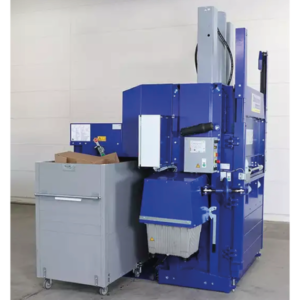
As an example, the AutoLoadBaler simplifies the baling process with its automatic filling and compression system. This automatic cardboard baler includes a cart where cardboard waste is loaded before being transferred into the baler. To maximise the performance of the bale itself, cardboard is stacked neatly in a cart, one on top of the other, and side by side if necessary. Gaps or air pockets reduce the compact nature of a bale, so it’s important to stack cardboard well.
This automated process lessens the need for breaking down boxes by hand, saving time and manual labour to provide well-compacted cardboard bales.
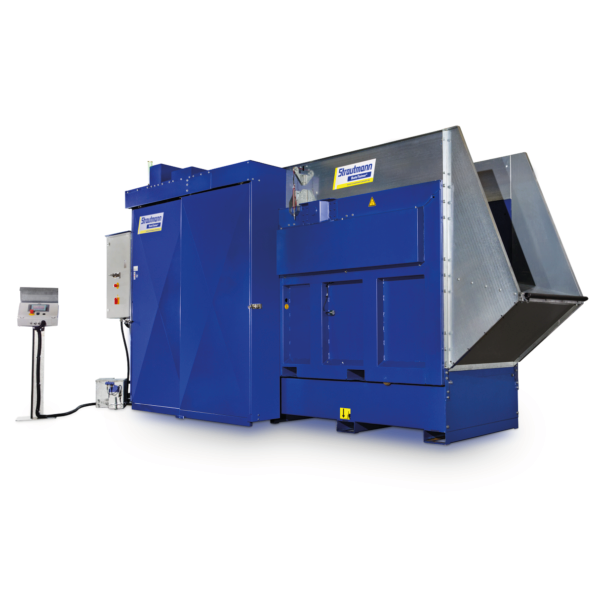
The BaleTainer is another machine that offers a continuous feed, equipped with a spiked rotor that flattens cardboard before stacking it in a chamber. Its 60-tone compacting mechanism compresses cardboard into dense bales, and the automatic ejection places bales onto a conveyor once the maximum capacity is reached, tying them as it goes so the bales can be directly loaded for transport to recycling centres. With most of the work handled by the BaleTainer, there is little need for manual input on how cardboard is fed into the wide opening, making it a dynamic choice for high-volume operations.
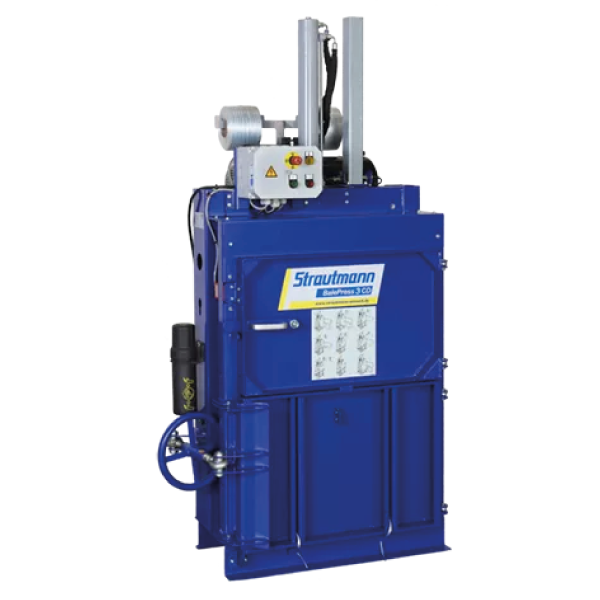
The Mini Balers are designed for smaller-scale operations and require manual loading. As with the AutoLoadBaler, cardboard should be flattened in layers and stacked neatly. Since a mini baler machine applies less force than their larger counterparts, inefficient loading could result in creating more bales than necessary over time, increasing your overall waste management costs.
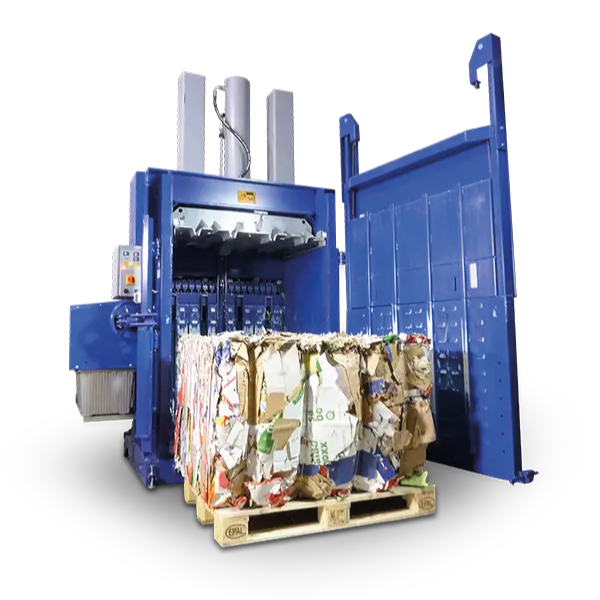
Similarly operated to the Mini Baler, the BP53 offers higher compression power, which allows it to handle larger amounts of cardboard without needing to break down boxes beforehand. Its flexibility and productivity make it an excellent choice for businesses managing bulky commercial cardboard waste. By reducing the need for manual preparation, the BP53 saves time and labour while producing bales that optimise storage and transport.
Baling cardboard is a straightforward process. Begin by preparing the baler by inserting strapping wire to secure the final bale. Next, load the machine with cardboard waste, ensuring it is properly stacked or flattened, depending on the type of baler being used. Once loaded, close the baler door and activate the compression mechanism to compact the cardboard. After compression, secure the bale by wrapping it with strapping wire to hold it together. Finally, place a pallet in front of the baler and eject the completed bale onto it for easy transportation.
Baling your cardboard saves valuable storage space wherever you’re based. Recycling cardboard offers a host of environmental and financial benefits for companies: recycling is often cheaper than landfill disposal, and rebates from recycling services can offset waste management costs. As it’s highly recyclable, cardboard can often be reused four to five times, which reduces the demand for raw resources and prevents waste ending up in landfills.
While the value of recycled cardboard may fluctuate, businesses can still benefit from recycling. Rebates or incentives based on the volume of recycled cardboard often provide a financial return. Even in months when rebates are limited, recycling can reduce overall waste management expenses compared to landfill fees.
With up to 12.5 million tonnes of paper and cardboard consumed annually in the UK, baling offers an effective solution to reduce landfill waste, save on transport costs, and optimise storage. By compacting cardboard into bales, businesses can manage their waste efficiently while contributing to sustainability goals.
Helpful Links
What are the different types of recycling balers?